
Prepare for installation · Toronto & GTA
A working entrance. A clear handover.
Smart lock installation starts before a reader reaches the wall. Establish who owns the opening, what hardware is already there and how people will enter while the work takes place.
In short
What should an installation deliver?
A practical checklist for the person accepting the work
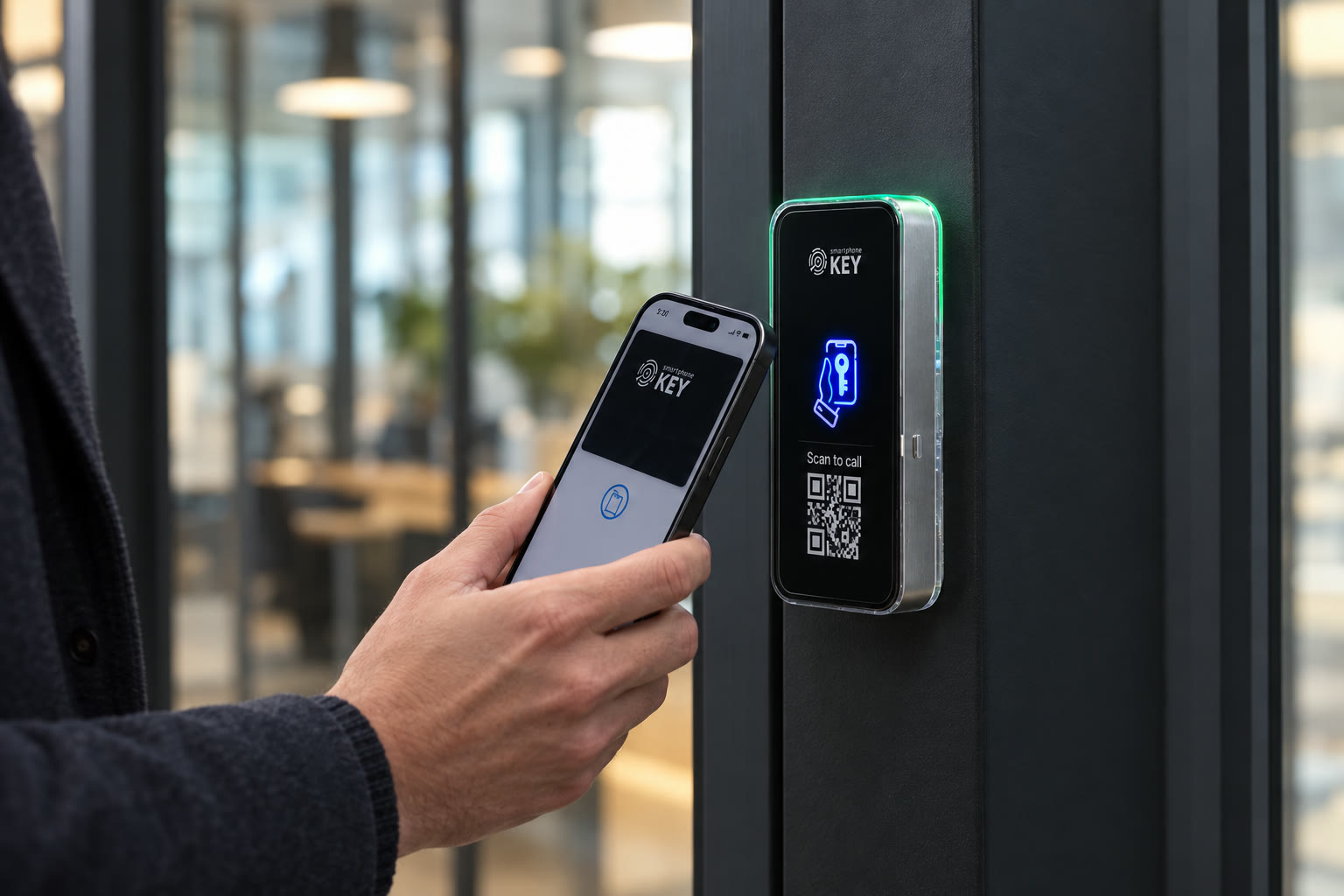
The result should be an entrance people can operate and an access list someone knows how to maintain. Mounting a reader is only one part. SmartphoneKey requires compatible electric locking hardware, low-voltage power and an appropriate connection. The proposed work should identify what is retained, what is added and how the completed arrangement will be explained to its administrator.
Prepare the installation handover
Who can show the entrance and accept the finished work?
Start with the current hardware, authorized decision-maker and normal arrival hours. Turn those facts into a scope before choosing an installation date.
Identify installation authority
Name the property contact and access constraints.
Review work and interruption
Assess cabling, hardware changes and the proposed sequence.
Define the completed handover
Agree demonstrations, responsibilities and continuing installation charges.
Example, not a completed project
The reader works, but the future administrator has not practised.
Imagine an installer showing one successful phone entry while the person responsible for later users is unavailable. That demonstrates a particular interaction, but leaves the operating handover incomplete. Agree how the administrator will learn to issue and withdraw the intended permission, explain the visitor route and find the agreed fallback instructions. Separately check the door operation within the assessed work scope. Record any unfinished item and its responsible contact rather than calling a single tap the complete installation. This is a hypothetical acceptance discussion, not a report of an unfinished customer job or a promise about the tests required at every property.
What is installed and what is handed over
Compare the physical work with the operating responsibilities.
Keep these two parts of the proposal visible. A clear boundary makes it easier to recognize an unanswered site condition or a missing handover task before installation is accepted.
Agree the work at the premises
- Identify the opening, existing locking equipment and intended reader position. Show what the installer proposes to retain and what must change. Include a troublesome closer or latch as a reported condition, rather than assuming that adding electronic access will correct a door that already fails to close consistently.
- Explain how the proposed supply, control connection and cable route will be established at the property. Ask who provides access to the relevant spaces and who approves affected finishes or shared equipment. Do not treat a neat product photograph as evidence that concealed wiring can be reused.
- Discuss authorized entry while work is taking place and the intended sequence for introducing credentials. Identify the people who must be informed once the scope and timing are agreed. This planning step does not establish that the property can close, remain unattended or lose its existing entry route during the work.
Agree the operating handover
- Name the person who will maintain access after installation and arrange an appropriate walkthrough. Have that person practise the agreed user and withdrawal operations with an authorized example. Watching the installer operate a private demonstration phone does not show that the property can maintain later changes.
- Request an explanation of ordinary entry, the intended visitor path and the actual fallback chosen for the entrance. Keep power, connection and missing-credential questions distinct. Record which case was demonstrated and which remains unanswered instead of extending a successful normal arrival to every failure condition.
- Retain the installed scope, responsible contacts, continuing charges and unresolved items in the handover information. Agree who follows up a physical defect, a connection problem or an access instruction that was never applied. A future manager should be able to find those boundaries without relying on an informal conversation.
From survey to handover
Agree what a finished job means.
A small office conversion and a shared residential entrance have different constraints. Ask for a sequence built around the actual opening.
01Survey the existing entrance
Show the assessor both sides of the door, the frame and any current release button or entry panel. Identify the person authorized to approve alterations. Photos help describe the opening, but they cannot establish the condition of concealed wiring or approve an unfamiliar lock assembly.
02Set the work boundaries
The scope should name the required lock work, reader position, power supply, cable route and Wi-Fi or LTE arrangement. Discuss access during the work and any permission needed from building management. Obtain timing and the total proposed cost before agreeing to proceed.
03Test the everyday routine
Walk through a regular arrival, an authorized visitor and withdrawal of an old credential. Have the administrator demonstrate adding and removing permission rather than only watching the installer do it. Write down the agreed fallback and who takes responsibility after the handover.
The supplied SmartphoneKey installation and usage materials describe the reader arrangement and administration. This preparation sequence is an installation-planning checklist; it does not establish a fixed duration, an approved cable route or certification of a particular entrance.


Establish the starting condition
Agree what needs to be inspected before work is priced.
Walk through the current entrance with the authorized property contact. Describe ordinary opening and closing, any known fault and the equipment already serving the door. Include access to the supply and proposed cable route where appropriate. The survey should distinguish retained hardware from new work and identify questions requiring another responsible professional. Photographs can introduce the job; they cannot verify concealed conditions or replace the property-specific assessment. Keep any unresolved dependency visible before agreeing the installation scope, schedule and complete proposed cost.
Is it the right fit?
Can the proposed installation be surveyed and handed over?
The necessary property contacts can participate
- You can authorize work or involve the responsible property manager.
- The entrance can be surveyed before equipment is selected.
- Someone will own credential administration after setup.
Resolve the access or acceptance dependency
- You need a fixed completion time before the opening has been assessed.
- You expect the reader alone to convert any mechanical lock.
Define completion before the installation starts
Agree what the operator should be able to demonstrate.
A handover should leave someone able to use and maintain the proposed arrangement. Include the physical entrance and the administrative routine in the acceptance conversation.
Can installation be booked from a photograph alone?
A photograph can support the first conversation. It does not show every cable path, connection or hardware issue. Confirm the site assessment and final scope before treating an estimate as a complete installation plan.
Will all occupants need to be present?
Agree the handover arrangements in advance. At least the responsible administrator needs to understand credentials and removal of access. How other users receive instructions depends on the property; no universal attendance requirement is promised here.
What determines how long the work takes?
An existing powered electric strike presents a different job from an opening requiring lock conversion and a new cable route. Door condition, access arrangements and approvals also matter. Ask for the proposed schedule after those details are known.
What should the written cost cover?
Separate supplied equipment, work on the door, power and connection requirements, credentials and any continuing package costs. A reader-only price is not a complete comparison for an entrance that needs additional work.
How do we prepare for an interrupted connection?
Ask which operations rely on the chosen connection and how staff should respond if it becomes unavailable. Include power loss, safe exit and a phone with no charge in the handover conversation. Do not assume every function remains available offline.
What if the administrator cannot attend the installer's visit?
Agree a workable handover arrangement before treating the job as complete. Identify who will learn credential changes and how any later walkthrough will be provided. The supplied materials do not establish that a person who watches one opening demonstration can automatically train every future administrator. Keep an unfinished operating handover visible alongside any outstanding physical work.
Should a sticking door be reported before installation?
Yes, describe the existing behaviour to the assessor so it can be distinguished from the proposed access work. A credential reader identifies permission and controls suitable release equipment; it is not evidence that alignment, closing or latch problems have been resolved. Ask whether any corrective door work is included or remains a separate dependency in the proposal.
What information should remain with the property after handover?
Ask for the agreed equipment and work scope, the person maintaining access, connection and continuing-cost responsibilities, help contacts and the explained fallback arrangement. Retain any item that was not demonstrated or completed. The useful result is a repeatable operating process and a clear record of what was supplied, rather than an unexplained device that opened for one example user.
Next step
Describe the entrance you need to keep working.
Start with the current hardware, authorized decision-maker and normal arrival hours. Turn those facts into a scope before choosing an installation date.
Request a door checkRequest installation and handover as one written scope
Separate retained equipment, new door hardware, reader mounting, supply, cabling and connectivity. Include first-user setup, administrator instruction and any continuing package charges. Record excluded work and unanswered site conditions before approving the proposal, so neither the fitting visit nor one successful tap is mistaken for the whole deliverable.
For the Toronto or GTA survey, arrange the authorized contact and access to the opening and relevant service areas. Bring normal operating times and any known fault description. The assessed project determines the proposed appointment and interruption; no fixed installation duration is offered by this preview.